Array generation
Start with nominal power, electrical configuration, module format, and the conditions that will shape the energy model.
Astronergy energy-transition pathways
PV teams rarely need another generic product claim. They need a clear way to connect module selection with array geometry, DC architecture, local conditions, documentation, and the intended handover path.
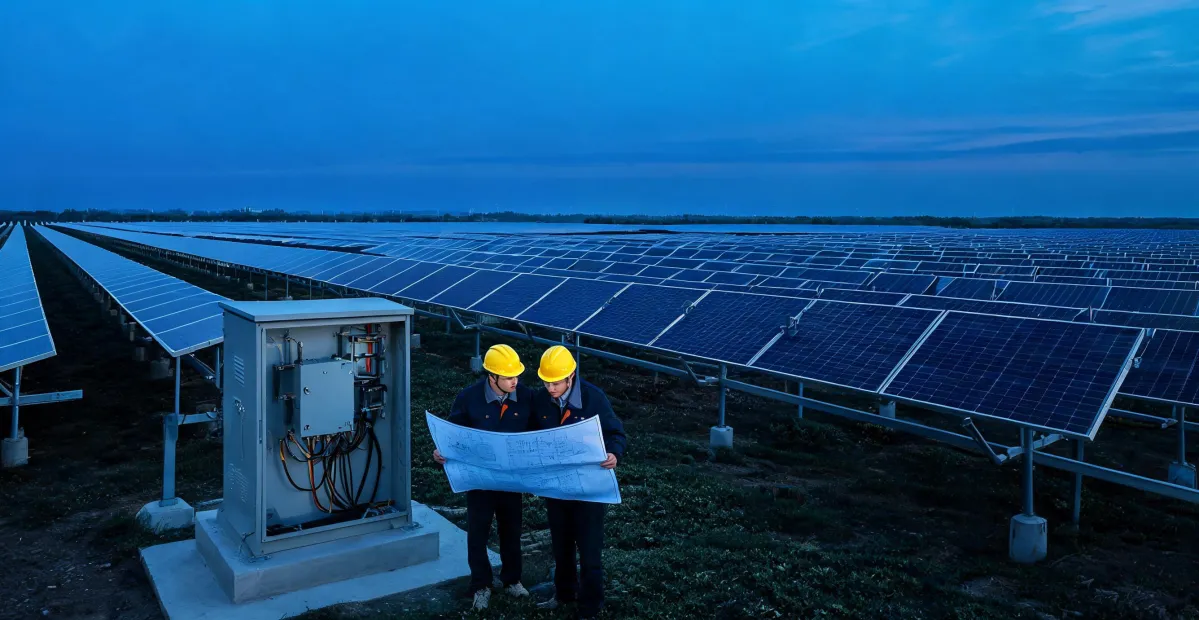
Solar PV Modules
Generation hardware is evaluated inside a wider system. Astronergy conversations keep the module interface, site exposure, installation sequence, and records package in the same briefing process.
Start with nominal power, electrical configuration, module format, and the conditions that will shape the energy model.
Bring mounting, wind, temperature, drainage, access, and maintenance assumptions into the early technical discussion.
Request the applicable datasheet, installation guidance, and certification references before a procurement decision is treated as final.
Reviewable evidence
IEC 61215 and IEC 61730 are common PV module reference points. Scope, market, product family, and current issue status need confirmation for every project.
Performance values are meaningful only with their declared test conditions. Review temperature behavior, irradiance assumptions, and configuration details with the relevant documents.
A complete project brief identifies the mounting interface, electrical layout, commissioning contact, and the person responsible for retaining records.
Use comparable operating conditions, not anonymous outcome claims.
Clarify the record and escalation route before site handover.
Check applicable versions and named test conditions.
Include region and delivery timing in the request.
For a local supply discussion, identify the country, intended application, and whether the request is for a new installation or a replacement assessment.
Contact the teamFor an engineering review, share module power range, system voltage assumptions, climate conditions, and the documents your stakeholders need to inspect.